Los tiburones (la a personal) (los números) (los animales)

a personal_tiburones

Se usa la «a personal» cuando el objeto directo es humano o un animal domesticadoUse the personal «a» when the directo object is a human or domesticated animal.


Los tiburones matan a 12 personas al año.


No se usa la «a personal» antes de la palabra «tiburón» porque los tiburones no son domesticados. Do not use the personal «a» before the word «tiburón» because sharks are not domesticated animals.


Los humanos matan 11.417 tiburones cada hora.


With numbers, Spanish uses a decimal point where English uses a comma!


11.417 en español11, 417 in English


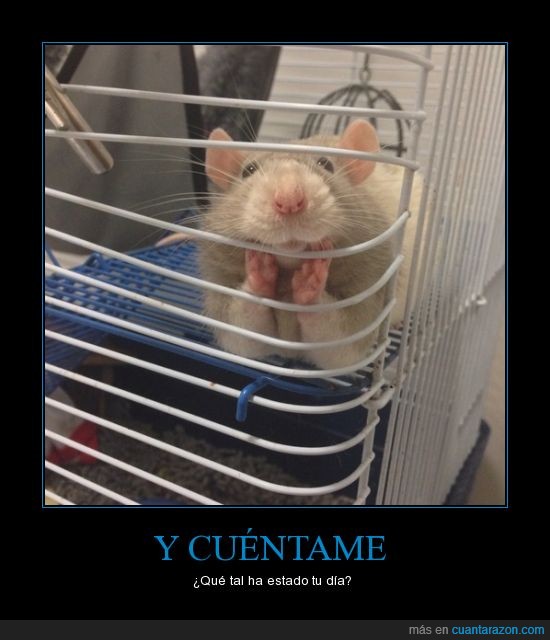
Y cuéntame, ¿qué tal ha estado tu día? (mandatos informales + pronombre, presente perfecto)

cuentame. mandatos. pres perfI think this would be great for a warm-up activity to review present perfect. Students can answer the hamster!

Wait, is that a hamster? or guinea pig? ¡Tendré que pedirles a los estudiantes!

¿Es un hámster o conejillo de Indias? ¿Has tenido un hámster o conejillo de Indias como mascota? ¿Qué tipo de mascotas has tenido?

¡Yo soy mejor que la película! (ser) (comparaciones)

comparativos ser


Crédito: Blog «El final de la historia»: http://elfinal-delahistoria.blogspot.com/

Hipster Zombie: Me gustaban los cerebros antes de que fueran populares (Imperfecto & Imperfecto del subjuntivo)

hipster zombie

Image credit: http://www.risasinmas.com/


Common mistakes in Spanish: Weekends! ¡Los fines de semana! (Video)


Here´s the image from the video:

¡A disfrutar el fin de semana!

a disfrutar el find de semana

Common mistakes in Spanish: How to say «another» (Video)

How are you liking the «Errores comunes» video series? I´m really enjoying making the videos! I´d love to hear your feedback. I´m open to any suggestions!

El único hombre que no se equivoca es el que nunca hace nada.

nunca hace nada

Common mistakes in Spanish: Overusing gerunds (Video)


Un error es una excelente oportunidad para aprender y avanzar.

error oportunidad


And here´s the meme that I made to use as an example in the video!

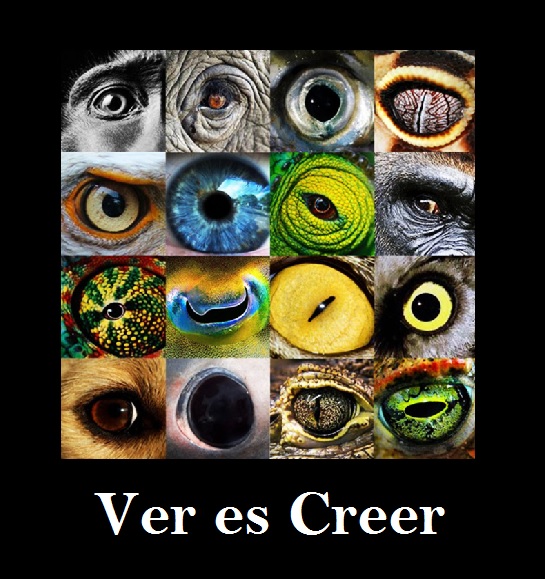
Ver es creer

ver es creer

Common mistakes in Spanish: Saying «to have fun»! (Video)

  My students have their first in-class compositions soon, so I finally started my «Errores comunes» video series. I’ve been keeping record of the most common mistakes I see in student compositions for a few years now, so I hope this series will be helpful! In this video, I hope to help them learn to say «divertirse» instead of «tener divertido». Any feedback is welcome, and I would really appreciate if you give the video a «like» on Youtube or even subscribe to my channel!

Vivo con el miedo de que Pitbull me diga… (subjuntivo)

pitbull subj

Se usa el subjuntivo para hablar de situaciones hipotéticas.