This activity is so fun! Students learn/practice Latin American country names, flags, and nationality terms while enjoying the upbeat song «La Gozadera.» You may choose to use only one part of this activity in your class, or all of them!
2.Watch «La Gozadera» music video. As students watch the video, they should be listening out for their country to be mentioned. Each time their country is mentioned, they raise their flag.
3. Students complete the activity sheet by writing the nationality terms next to each country name.
4. Review answers and discuss lyrics and video.
5. Conversation: Students walk around the classroom with their flags to practice the following dialogue:
A: «¿De dónde eres?»
B: «Soy de (país) .» -o- «Soy (nacionalidad) .»
Let me know if you try out this activity in your classroom! I´d love to know how it goes!
Responde a las siguientes preguntas con frases completas.
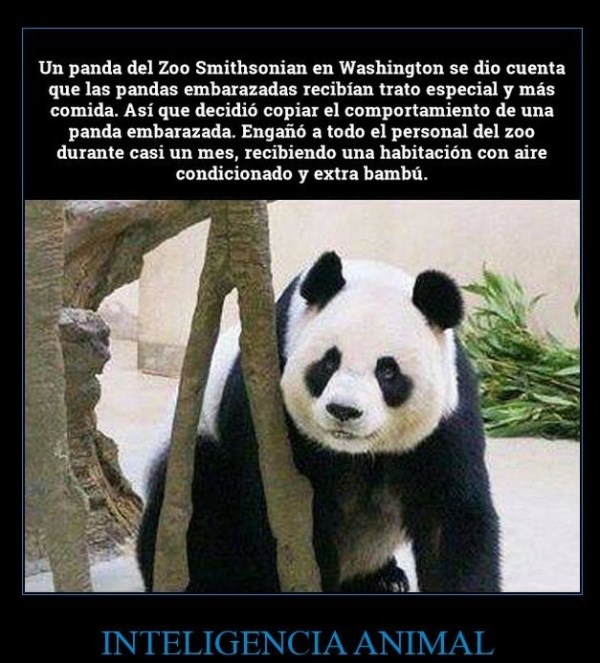
1. ¿Crees que este panda es inteligenteo tramposo(o los dos)?
2. ¿Conoces una historia de un animal muy listo? ¿Qué hizo este animal? (Si no conoces una historia verdadera, ¡puedes inventar una historia creativa!)
In this video I share the 3 tips I use to explain Spanish vowel pronunciation.
Follow up comprehension questions:
(1)What are the 5 vowels in Spanish?
(2) What is a tense vowel? Which vowels are tense in Spanish?
(3) What is an example of a vowel sound that we use in English but not in Spanish?
See below for answers.
1. A, E, I, O, U
2. Our muscles are more tense and engaged when we pronounce tense vowels. All vowels in Spanish are tense vowels (A, E, I, O, U).
3. Answers will very. Some include the «A» in «cAt,» the «I» in «kId» or «fIt,» the «uh» in «bUg» or a relaxed pronunciation of «edUcation.»
I have found that when students are able to answer these questions about Spanish vowel pronunciation, they are able to analyze and self-correct their own pronunciation.
By answering these questions, students demonstrate that they know which vowels to stick to, which vowel sounds to avoid, and physically how Spanish vowels are pronounced in contrast with the lax vowels in English pronunciation that so often interfere with their Spanish pronunciation.
This tense vs. lax distinction is superior to the «short» versus «long» vowel explanation commonly found in textbooks because it allows students to make a physical connection to the vowel pronunciation (by placing the hand on the cheek to feel the tense cheek muscles.)
Furthermore, vowel length is variable, so the «short» versus «long» distinction can be unclear and cause confusion.
Do you have any other tips you think should be included in Spanish vowel pronunciation instruction?
¡PTK! The tip I share in the video below is my favorite pronunciation tip because it was SUCH a «light bulb moment» for me when I finally learned about /ptk/ in my first Spanish linguistics class. The thing is, I had already been learning Spanish for SIX years!
I have to admit, I was a bit frustrated that none of my previous Spanish teachers had taught me this and other pronunciation tips, but it also motivated me to continue studying linguistics! Now I teach my students pronunciation throughout beginning level courses, and I am (slowly…very slowly) making these YouTube videos for students to keep practicing at home.
What are your thoughts on teaching pronunciation? How important is it for Spanish language-learners, and when/how should it be taught? I´d love to read your ideas in the comments!
Los mandatos informales, informal «tú» commands, can be a bit challenging at first because you must remember to conjugate the verb differently depending on whether the command is affirmative (Yes! Do it! ¡Sí! ¡Hazlo!) or negative (No! Don´t do it! ¡No! ¡No lo hagas!) This cultural presentation will take you on a journey of table manners around the world while practicing affirmative versus negative tú commands.
Objectives:
Practice conjugating affirmative and negative tú commands
Share your reflections and what you´ve learned in the questions at the bottom of the handout. Do you think any of these tips for international table manners will come in handy someday?

 This activity is so fun! Students learn/practice



 ¡PTK! The tip I share in the video below is my favorite pronunciation tip because it was SUCH a «light bulb moment» for me when I finally learned about /ptk/ in my first Spanish linguistics class. The thing is, I had already been learning Spanish for SIX years!

 estudiafeliz