Archivo de la categoría: Vocabulario
Objetos antiguos: Activity to practice large numbers in Spanish (Free powerpoint included)
I remember that learning to read and say large numbers in Spanish was quite a challenge for me! I did not master the skill until I first traveled to Costa Rica. As $1 dollar US exchanged to about 537 colones, I got lots of practice using large numbers each time I was out shopping. Over the years in Spanish class, I believe I mostly encountered large numbers in the context of reading dates in the brief culture and history readings in the textbook, for example, «en 1491…», which did not require me to actually read or produce the number in Spanish! The following series of photographs of ancient objects forms the basis of this practice activity which allows learners to practice saying and writing large numbers in Spanish.
The activity can be done individually or in small groups. I use the powerpoint to go over it all with the whole class.
1. Read the captions aloud about each image of an ancient artifact. Be sure to read the numbers aloud. It may be helpful to write out the words for each number for extra practice.
2. Check your answers with this Powerpoint.
*See also this post about mujeres pioneras que cambiaron la historia for a similar activity to practice dates!*

¡Hola! ¡Deseamos que tengas un buen día! (subjuntivo) (vocabulario: los animales)
Aquí los animales te saludan con la pata.
¿Cómo se llaman estos animales?
el erizo
el oso panda
la foca
la ardilla
el oso
el mapache
la nutria
el perro
el león
el oso polar
el cocodrilo
Hablando de osos polares, aquí está una canción que se llama, «El oso polar» de la banda mexicana Hello Seahorse! Pero, ¿como se dice «seahorse» en español? El hipocampo o el caballito de mar.
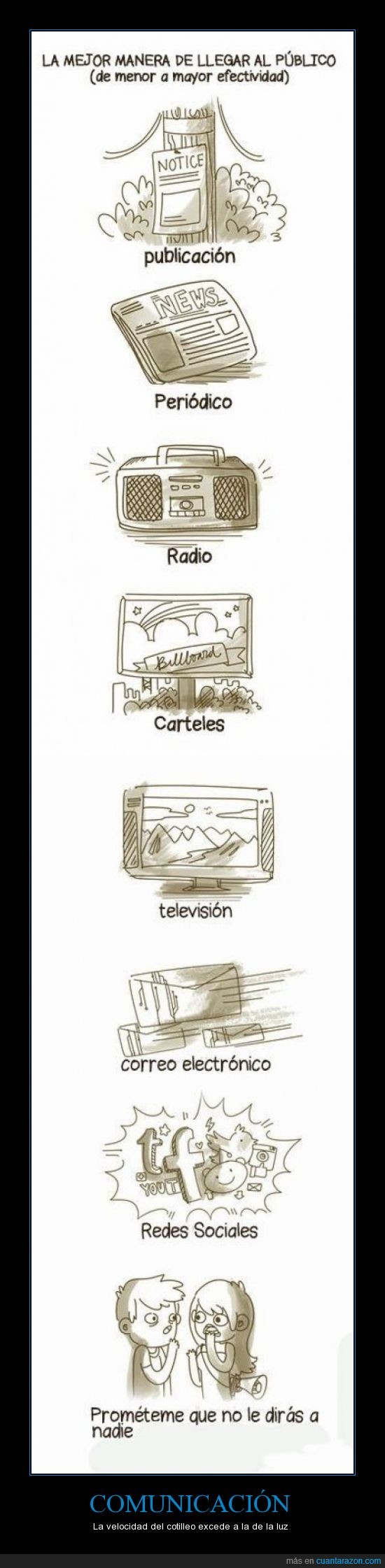
La mejor manera de llegar al público (vocabulario: la comunicación) (comparaciones)
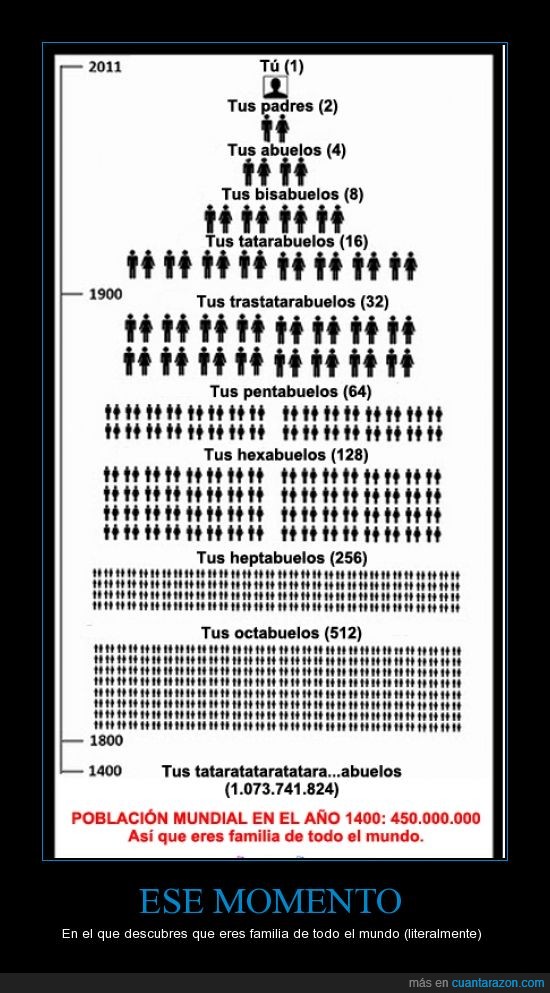
Eres familia de todo el mundo (ser, vocabulario: la familia)
Señales en español: Al parecer la versión española necesita tener bigote (se impersonal, vocabulario: las partes del cuerpo)
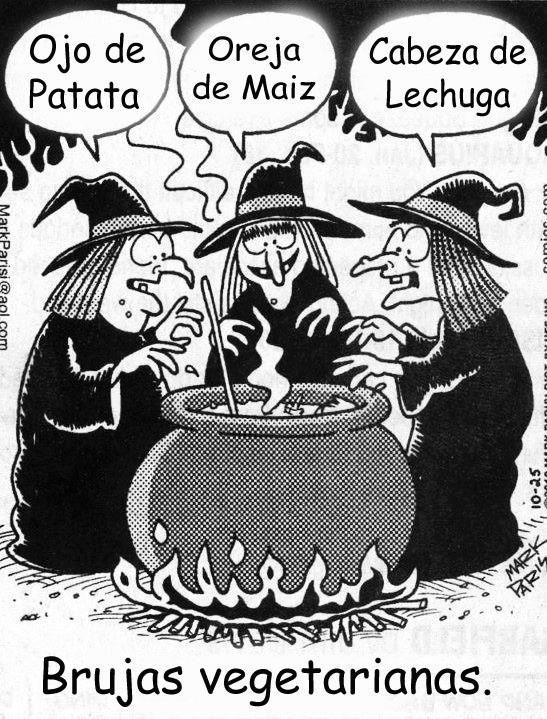
Brujas vegetarianas (vocabulario: la comida, las partes del cuerpo)
Las profesiones
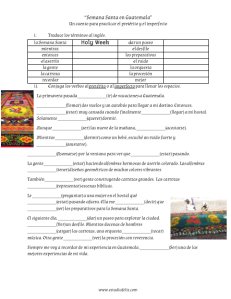
La Semana Santa en Guatemala: Un cuento para practicar el pretérito y el imperfecto
UPDATED OCTOBER 2021!
Hi all,
have updated these materials with a few minor edits to the story & an improved video narration featuring a native speaker’s voice & better sound quality.
Here are the updated materials! I would love to know if you use them in your classroom 🙂
__________OLDER, ORIGNIAL POST____________
In keeping with my TPRS challenge for the semester, here is the short story I made for ch. 8 of the textbook Unidos. (Click here for ch. 7’s story!) This (very) short story is for practicing preterit vs. imperfect as well as vocabulary based on Semana Santa in Guatemala.
Here are links to the materials I made based on the story: